Your Cart is Empty
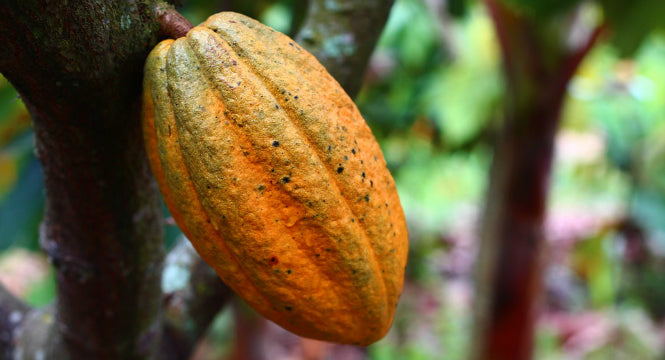
Cocoa butter is a fat from cocoa seeds that can contribute emollience and texture to a moisturizer. It may help a finished formula leave dry skin feeling softer, but it is not a proven acne medicine, scar treatment or way to reverse sun damage.
Cocoa butter can contribute richness, spread and a protective feel. Its usefulness depends on the amount, the rest of the formula and your skin. The name alone does not establish that a face cream will be comfortable, non-comedogenic or appropriate for sensitive skin.
Cocoa powder, extracts and seed butter are not interchangeable preparations. Do not transfer antioxidant findings from a specific cocoa extract or dietary study to a butter-containing cream. The cocoa and cacao guide explains these evidence boundaries and mask uses.
Moisturizing dry skin is different from treating the cause of acne or remodeling a scar. Cocoa butter should not be described as killing acne bacteria, rebuilding damaged cells or reliably removing stretch marks. Use care appropriate to the concern rather than relying on a butter's natural origin.
For facial product selection, compare moisturizers for acne-prone skin. A rich finished formula may be comfortable for one person and unsuitable for another.
Follow the finished product's instructions and choose a texture you enjoy. There is no need to apply it only at night or assume that nighttime use makes it penetrate more deeply. Moisturizer application guidance covers timing.
If a product stings, causes a rash or repeatedly coincides with bumps, stop and reassess. A fragrance-free alternative may be more appropriate when scent or aromatic ingredients are a concern.
A moisturizing mask may contain cocoa butter for its base, whereas a cacao clay mask may contain cocoa powder within a different kind of formula. Compare hydrating masks with clay-mask benefits by their actual purpose.
By Herbal Dynamics Beauty · Updated September 22, 2026.