Your Cart is Empty


The best skincare for acne-prone skin is a coordinated routine you can use consistently: a gentle cleanser, a comfortable moisturizer, sunscreen and—when acne needs treatment—an appropriate acne medicine. A serum, toner or mask is optional. Buying a full range of drying products can make the routine harder to tolerate.
| Your need | What to look for | What to check |
|---|---|---|
| Gentle cleansing | A mild non-soap, fragrance-free wash | Useful alongside a leave-on acne medicine; cleansing is not acne treatment. |
| Moisturizing support | Humectants plus light emollients; optional ceramides | A non-comedogenic label is a starting point, not a guarantee. |
| Optional hydration | A humectant serum only if moisturizer is insufficient | Avoid adding steps that sting or complicate treatment. |
| Active acne | An appropriately labeled acne medicine | Choose by acne pattern and directions; seek clinical advice when uncertain. |
| Daily protection | Broad-spectrum SPF 30 or higher | Choose water resistance for swimming or sweating and a finish you will use generously. |
Choose each step by its job in the routine. A cleanser removes surface residue; a moisturizer supports comfort; an acne medicine addresses acne under its labeled directions. More products do not necessarily improve the result.
If you already use a leave-on acne medicine, a plain gentle cleanser often avoids unnecessary duplication. A medicated wash may fit a plan, but using it alongside several leave-on actives can increase dryness. The acne-prone cleanser guide compares these choices.
Oily skin can still need moisturizer, especially during treatment. A light lotion may suit a shiny forehead, while a cream is more comfortable on treatment-dried cheeks. “Non-comedogenic” is a useful selection cue, not a guarantee. Use the moisturizer buying guide to compare texture, fragrance and the whole formula.
The AAD guideline strongly recommends benzoyl peroxide and topical retinoids and conditionally recommends salicylic acid and azelaic acid. This does not mean using all four at once. Blackheads, inflamed lesions, sensitivity and pregnancy considerations change the choice.
Salicylic acid versus benzoyl peroxide is a practical starting comparison. The benzoyl peroxide guide covers irritation, fabric bleaching and storage. Cosmetic retinol is not interchangeable with adapalene or prescription tretinoin.
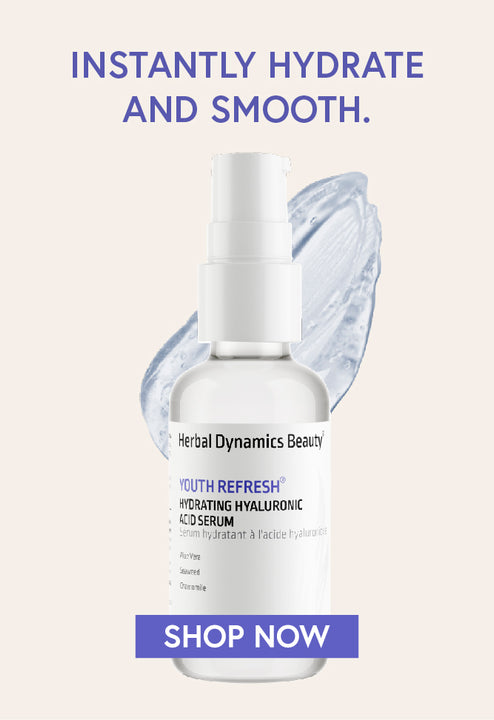
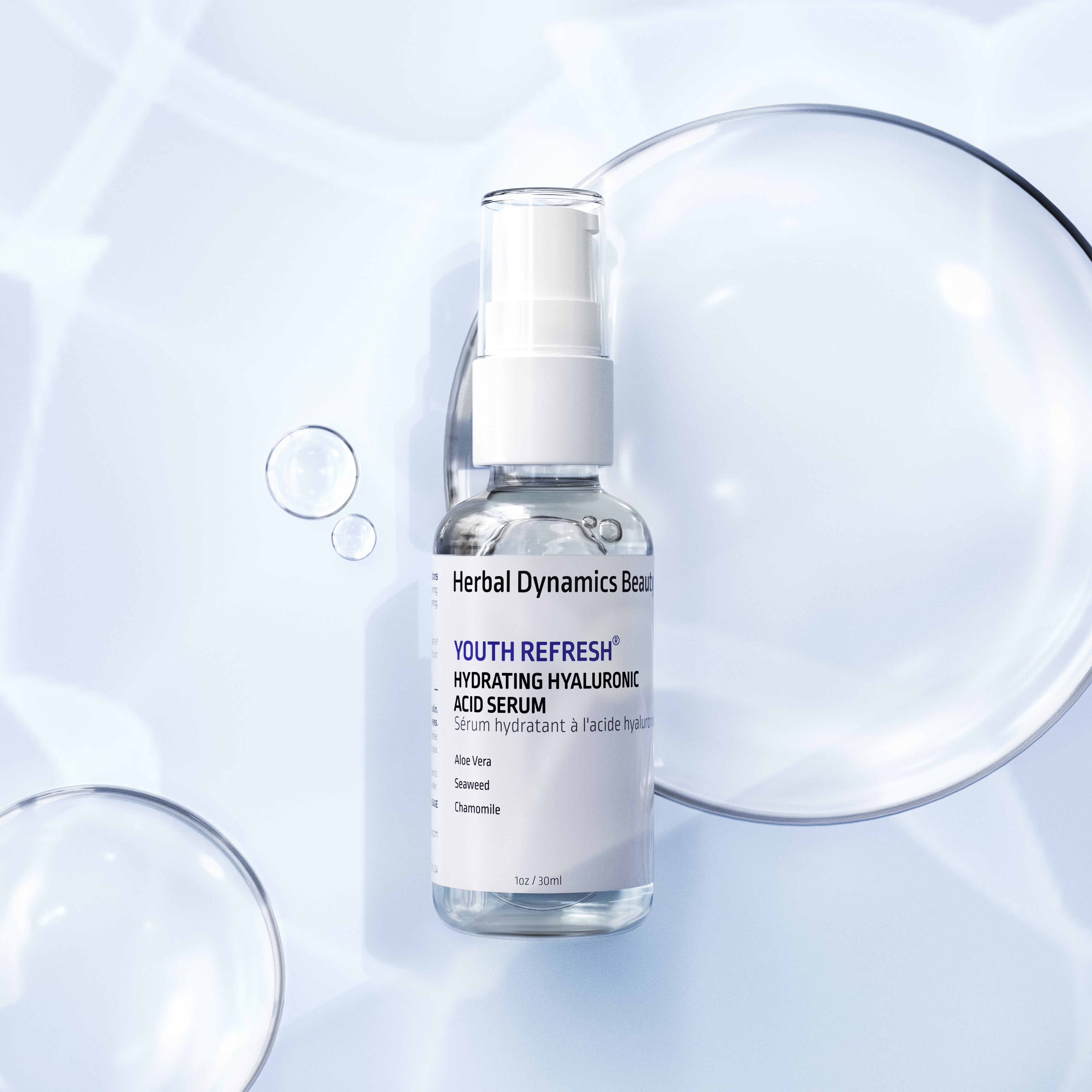
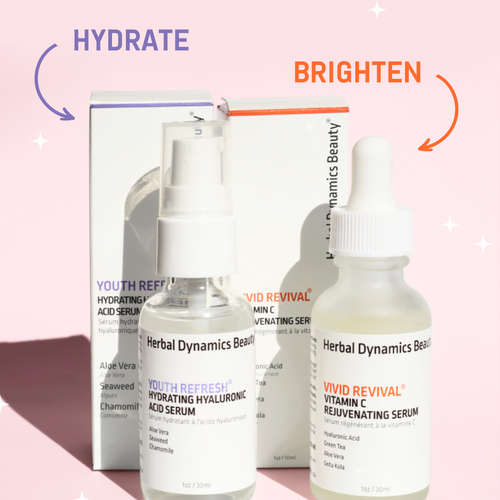
Youth Refresh® Hydrating Hyaluronic Acid Serum is an optional layer beneath moisturizer when skin feels dehydrated. Its ingredient list includes aloe gel, hyaluronic acid, vegetable glycerin and sodium PCA. Hydration may make a routine more comfortable; it does not establish acne efficacy or guarantee that a formula will never cause a reaction. Skip an extra serum if your moisturizer already meets your needs.
Youth Refresh® Prickly Pear Antioxidant Daily Moisturizer contains glycerin alongside emollients including shea butter and botanical oils. Consider it only if that richer texture works for you. The presence of oils is not proof of pore clogging, but no finished-product non-comedogenic test is being claimed here. It also lists retinyl palmitate, a vitamin A derivative; people who are pregnant or planning pregnancy should choose a retinoid-free alternative and consult their clinician.
Intense Detox® Cacao & Chamomile Clearing Clay Mask contains clays as well as salicylic acid, sulfur and aromatic ingredients. A percentage or Drug Facts acne indication is not established by the ingredient list. Do not treat it as interchangeable with an OTC acne medicine, and avoid adding it to irritated skin or an already drying routine. See how to choose and use a clay mask.
| Current situation | Prioritize | Usually skip for now |
|---|---|---|
| Oily, comfortable, recurring comedones | Gentle wash, light moisturizer, appropriate acne treatment, SPF | Frequent scrubs and astringent wiping |
| Oily but tight or peeling | Mild cleansing, moisturizer and review of treatment frequency | New acids, clay masks and extra cleansing |
| Reactive or burning | Simple tolerated basics and clinical advice if persistent | Fragrance, essential-oil experiments and active stacking |
| Mostly flat post-acne marks | Acne prevention, sun protection and one tolerated tone-support step | Aggressive scar-removal promises or DIY peels |
Morning: gentle cleansing as needed, label-directed treatment if scheduled, moisturizer and sunscreen. Evening: cleanse, use treatment as directed and moisturize. Some medicines have specific dry-skin or layering directions, so the label takes priority over a universal skincare chart.
Follow the routine guide for implementation and serum selection guide for optional additions. For post-acne marks, a brightening serum belongs after the basics and tolerability are established.
Deep, painful, scarring or persistent acne deserves medical care. A dermatologist can prescribe a plan and distinguish acne from similar-looking conditions. Buying more cosmetics is not an adequate substitute, and no product comparison can select a prescription for an individual.
Match your wash to the rest of your treatment plan using the acne-cleanser comparison. The main cleanser comparison covers non-medicated choices across skin types.
Before adding another clearing product, compare face masks for acne-prone skin. Use the main mask buying guide for other goals such as dryness or sensitivity.
The niacinamide buying guide compares specific formulas and strengths. First read the acne-specific evidence so an optional cosmetic is not mistaken for a replacement for the treatment your acne needs.
By Herbal Dynamics Beauty • Updated September 25, 2026